

Nepal Data Protection Law: What Every Business Must Do Now
Nepal finally has a data protection law with real teeth. After years of drafts, committee debates, and false starts, Parliament passed a national law that governs how every business in the country handles personal data. If you run a shop in New Road, an ecommerce platform, a hospital, a software agency, or a bank, this law touches you.
The timing is not an accident. The uproar over mandatory SIM registration and the Chetan app showed the government that citizens care deeply about their data. The law is the policy answer to that anger. Here is what matters: enforcement has not fully started yet, and the window to prepare is still open. Businesses that act now will be far ahead of the ones that wait for the first fine.
Let me explain what the law actually says, what it changes for your daily operations, and how to get ready without burning your budget. I will keep the jargon light because you do not need a law degree to comply.
Why the Nepal data protection law matters now
For decades, Nepal ran on scattered rules. Banks followed Nepal Rastra Bank directives. Telecom companies had their own obligations. Everyone else did whatever they wanted with customer data. The new law changes that baseline for the whole economy.
The Nepal data protection law creates one national standard for collecting, storing, using, and sharing personal data. It applies to private companies, government bodies, and even foreign firms that serve customers in Nepal. That last point is bigger than most people realize. A mobile app built in India with a million users in Kathmandu falls under this law too.
The law also creates a dedicated regulator. That office will write the detailed rules, hear complaints, inspect businesses, and impose penalties. The Nepal data protection law sets fines that reach millions of rupees for serious violations. Compare that to the old world where a leaked database cost a company nothing, and you see why this matters.
There is real momentum behind enforcement. The rules are being drafted as I write this, and the regulator is being stood up. Bottom line: the law is not a paper proposal anymore. It is a live legal fact with a clock running.
What the Nepal data protection law covers
Personal data means any information that identifies a living person. Names, phone numbers, email addresses, citizenship numbers, location histories, and even device IDs all count. The coverage is deliberately broad.
Two roles matter under the Nepal data protection law. A data controller decides why and how data is processed. A data processor handles data on behalf of the controller. Your payment gateway is a processor. Your hospital is a controller. Many companies are both at once, and the obligations follow the role.
The law gives extra protection to sensitive categories. Health records, biometric data, financial details, and children data get stricter treatment. You need a stronger legal basis to process these, and you need to be careful about who can access them. This is where most Nepali businesses will feel the pain, because biometric data is everywhere now, from office attendance machines to bank account verification.
Let me be plain about scope. The Nepal data protection law does not care how small you are. A tea stall with a notebook of customer names is technically a controller. In practice the regulator will focus on scale, but the legal duty starts from day one. Think of it as a floor, not a ceiling.
How the Nepal data protection law changes consent
Consent is the load bearing wall of this law. Under the Nepal data protection law, asking someone for their data is no longer enough. You need their free, specific, and informed agreement, given before you collect anything.
Pre ticked boxes are dead. You cannot hide a consent clause inside a 40 page terms document and call it done. The law expects an explicit action, a tick, a signature, or a clear verbal yes. Silence is not consent. This kills the old habit of assuming people agree because they did not complain.
People can also withdraw consent later, and withdrawal has to be as easy as giving consent was. If a customer can sign up in two taps, they must be able to leave in two taps. That asymmetry trips up many businesses, because the whole revenue model of some apps depends on hoarding data after the user loses interest.
Purpose matters too. If someone gives you their number for delivery updates, you cannot start sending them loan offers. The Nepal data protection law ties each piece of data to the reason it was collected. New purpose means new consent. I have seen companies budget for a one time consent form and then discover they need twelve, one for each service they sell.
Data rights under the Nepal data protection law
The law gives individuals a bundle of rights over their own information. You will need to honor each one on a deadline the rules will specify.
The first right is access. A customer can ask what data you hold on them, why you hold it, and who you shared it with. You must answer in plain language, not in dense legal boilerplate. The second right is correction. Wrong phone numbers, misspelled names, incorrect addresses, all of it must be fixable on request.
Deletion is the third right. People can ask you to erase their data when the original purpose is over. The Nepal data protection law also includes a transfer right, so a customer can pull their data and move to a competitor. That one frightens subscription businesses, and honestly it should, because exit friction was doing a lot of heavy lifting for retention.
There is also a right to object to certain uses, especially direct marketing. If a customer says stop, you stop. Every one of these requests must be logged and answered within the window the rules set. That means you need someone who actually reads the requests, not an auto reply that goes to a dead inbox.
Cross border data under the Nepal data protection law
Here is where the law hits the daily reality of Nepali tech. Most businesses in Nepal run on foreign clouds. Google Workspace, Microsoft 365, AWS, and a dozen analytics tools hold customer data in data centers outside the country. Sending personal data abroad is now a regulated act under the Nepal data protection law.
The general rule is that cross border transfer needs a lawful basis. Consent is one basis, but the law also pays attention to the destination. If the receiving country has a strong data protection regime, transfers are easier. If not, you need safeguards like binding contracts that protect the data.
This creates a very real cost question for Nepali firms. The cheapest cloud region is not always the legally cleanest one. Banks and finance companies are already moving toward local hosting because of Nepal Rastra Bank rules, and the Nepal data protection law pushes in the same direction. Expect data residency to become a selling point, not a technical footnote.
For small firms the practical fix is simple. Write down every service that touches customer data and where each one stores it. If you cannot answer that question in an afternoon, you have a compliance gap. The law does not ban foreign clouds, it just makes you justify them.
How to prepare for the Nepal data protection law
You do not need to hire a law firm tomorrow. Start with a weekend of honest work in this order.
1. Map your data. List every form, spreadsheet, app, and drive that holds personal data. Include the phone in your pocket if it has customer numbers.
2. Rewrite your collection points. Add clear consent language to signup forms, order forms, and intake sheets. Give people a real choice, and store the proof of that choice.
3. Review your vendors. Ask your cloud, payment, and analytics providers where data lives and what they do with it. Get the answers in writing.
4. Name a privacy owner. One person owns compliance, even if their title is just operations manager. Someone has to be accountable when the regulator calls.
5. Write a breach plan. Decide now who reports a leak, how you document it, and how you will tell affected customers. A boring plan written today beats a panicked scramble at 2am later.
The Nepal data protection law also expects records. Keep a simple register of what you process and why. For high risk work, like large scale biometric or health processing, plan for a formal privacy impact assessment. These documents are boring until they save you from a penalty, and then they are the most valuable files you own.
Nepal data protection law FAQs
1. When does the Nepal data protection law start applying to my business? The law is passed and the rules are being drafted. Full enforcement begins once the regulator is operational and the detailed rules are published. Use this window to prepare, because the grace period will not last forever.
2. Does the law apply to small shops and freelancers? Technically yes, because the law covers any controller of personal data. In practice the regulator will target higher risk and larger operations first, but small firms still have the same duties, just lighter ones.
3. Can I keep using Google Drive and foreign software? Yes, but you need a lawful basis for the transfer and safeguards in place. Know where your data goes, get consent where required, and document the arrangement.
4. What happens if my company leaks customer data? You must report the breach to the regulator and, when the risk is serious, to the affected people. Fines under the Nepal data protection law can reach millions of rupees for serious violations.
5. Do I need to hire a data protection officer? Only larger controllers and those processing sensitive data at scale will have a mandatory appointment. Everyone else still needs one named person who owns privacy, even if it is a part time duty.
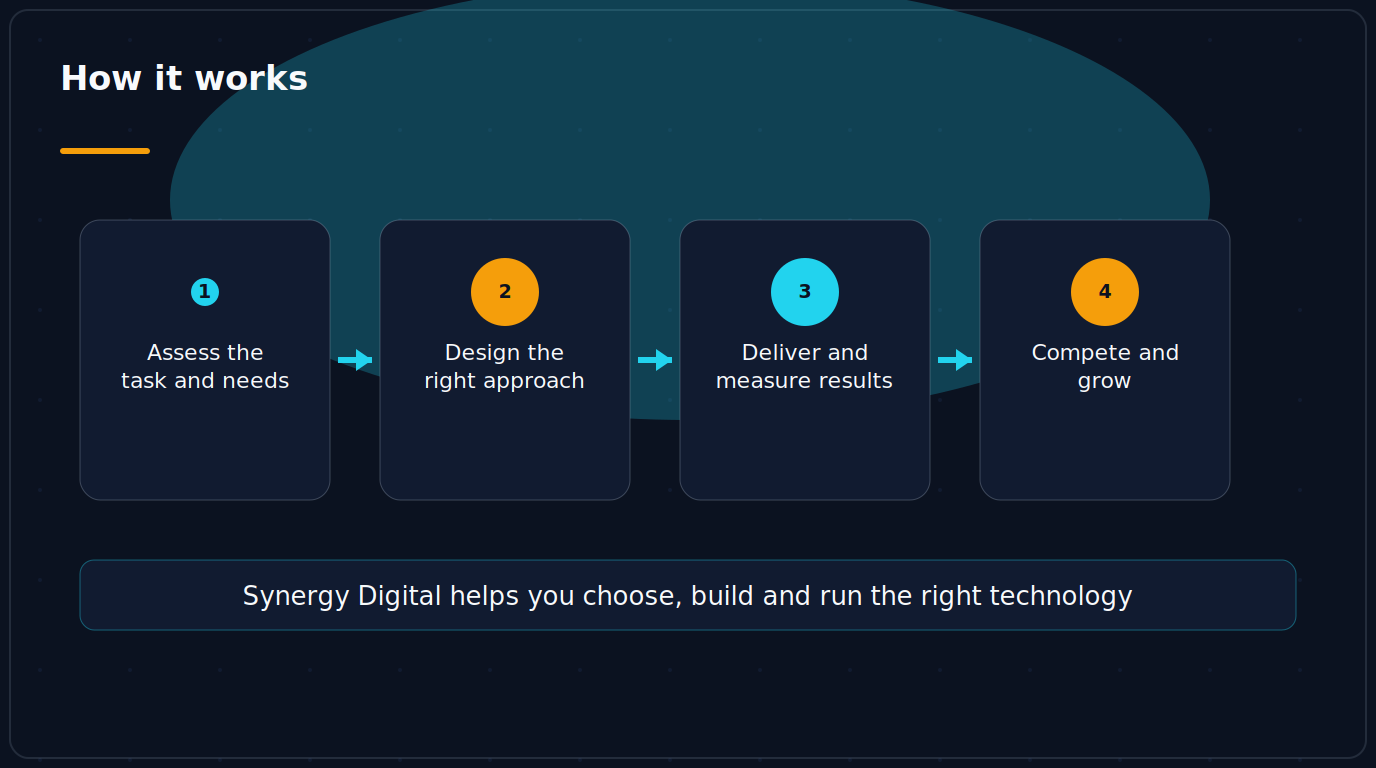
Take the Next Step
The Nepal data protection law is coming, and the businesses that prepare early will get the cheapest path to compliance. Start with the data map, then work through the list in order. If you want this handled properly, the team at Synergy Digital builds data governance systems, secure local hosting, and cloud setups that keep customer data where the law wants it. Send them your current data flow and get a straight answer on what needs to change.