I’ve witnessed our country undergo incredible changes, but none as significant as the digital transformation happening right now. The Digital Nepal Framework represents one of the most ambitious initiatives our country has ever undertaken, and it’s something every young entrepreneur needs to understand.
Let me explain why this matters to you. Whether you’re running a tech startup in Kathmandu, a tourism business in Pokhara, or an agricultural enterprise in Chitwan, the Digital Nepal Framework is going to change how you operate, connect with customers, and grow your business. Here’s what you need to know.
Table of Contents
Understanding the Digital Nepal Framework
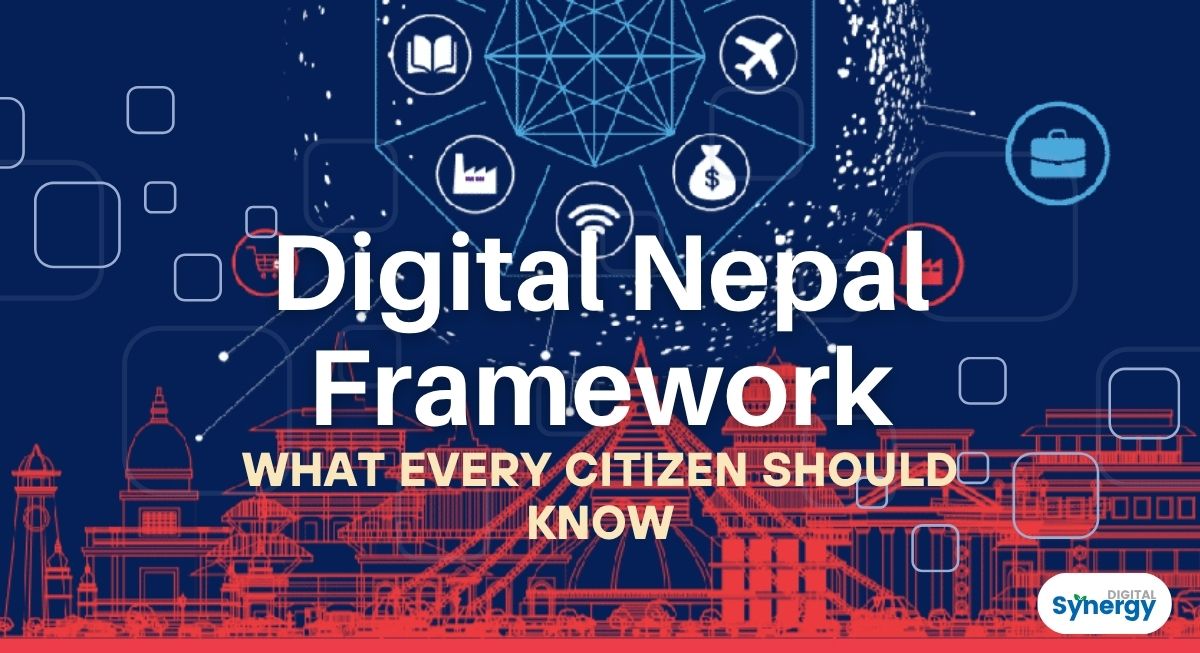
The Digital Nepal Framework is essentially the government’s master plan to transform Nepal into a digital society by 2030. Think of it as a roadmap that guides how technology will be integrated into every aspect of our national life—from education and healthcare to business and governance.
What makes this framework particularly important for young entrepreneurs is that it’s not just about government services. It’s about creating an entire ecosystem where digital technology drives economic growth and creates opportunities. For those of us who’ve been waiting for Nepal to catch up with the global digital economy, this framework is the signal we’ve been waiting for.
The framework was launched in 2019 with the vision of using digital technology to accelerate socio-economic development. It recognizes that for Nepal to prosper, we need to harness the power of digital innovation and make it accessible to everyone, not just those in urban centers.
Why the Digital Nepal Framework Matters Now
Nepal is at a critical juncture. Our young population is hungry for opportunities, and technology offers a way to leapfrog traditional development barriers. The Digital Nepal Framework matters now because it addresses the unique challenges we face as a developing nation.
Let me put this in perspective. While other countries went through industrial revolutions that took decades, Nepal has the opportunity to jump directly into the digital age. This framework is designed to help us do exactly that—by building the necessary infrastructure, creating the right policies, and developing the human capital needed to thrive in a digital world.
For young entrepreneurs, this timing couldn’t be better. The framework is creating the conditions for innovation to flourish. It’s laying the groundwork for the digital infrastructure that businesses need, from reliable internet connectivity to digital payment systems. Without these foundations, many of the business ideas that could transform our economy simply wouldn’t be viable.
Key Components of the Digital Nepal Framework
The Digital Nepal Framework is built around several key components, each addressing a different aspect of our digital transformation. Let me walk you through the most important ones:
1. Digital Infrastructure Development
The first pillar focuses on building the physical infrastructure needed for a digital society. This includes expanding broadband connectivity across the country, establishing data centers, and creating a secure government network.
For entrepreneurs, this means more reliable internet access even in remote areas, lower connectivity costs, and the ability to reach customers nationwide. The government has already made progress in this area, with projects to connect all local government bodies to the national network and expand 4G coverage to rural areas.
2. Digital Governance
This component aims to transform how government services are delivered to citizens. Instead of waiting in line for hours to get a permit or pay taxes, you’ll be able to do these tasks online through various government portals.
For business owners, digital governance means less bureaucracy, faster processing times, and more transparent interactions with government agencies. Imagine registering your business, obtaining licenses, and filing taxes all from your computer or phone—that’s the vision here.
3. Digital Economy
This is perhaps the most exciting part of the framework for entrepreneurs. The digital economy component focuses on creating an environment where digital businesses can thrive. This includes developing e-commerce platforms, digital payment systems, and support for tech startups.
The government has recognized that for Nepal to prosper economically, we need to move beyond traditional industries and embrace the digital economy. This means creating policies that encourage innovation, protect intellectual property, and make it easier for digital businesses to operate.
4. Digital Education
To build a truly digital society, we need citizens who are digitally literate. This component focuses on integrating digital skills into our education system, from primary schools to universities.
For entrepreneurs, this means a future workforce that’s comfortable with technology and ready to contribute to digital businesses. It also means more opportunities for businesses in the education technology sector, from e-learning platforms to digital skills training programs.
5. Digital Agriculture
Given that agriculture remains the backbone of Nepal’s economy, this component aims to use digital technology to modernize farming practices. This includes everything from weather forecasting systems and mobile apps for farmers to digital marketplaces for agricultural products.
For entrepreneurs in the agricultural sector, this opens up numerous opportunities to develop solutions that help farmers increase productivity, access markets, and adapt to climate change.
How the Digital Nepal Framework Benefits Young Entrepreneurs
Now that we understand what the framework includes, let’s talk about why it matters specifically for young entrepreneurs in Nepal.
First, it’s creating a more level playing field. In the past, starting a business in Nepal often meant navigating complex bureaucracy, dealing with unreliable infrastructure, and struggling to access markets. The Digital Nepal Framework is addressing these challenges head-on, making it easier for young entrepreneurs with good ideas but limited resources to get their businesses off the ground.
Second, it’s opening up new sectors for innovation. As digital infrastructure improves and digital literacy increases, there are countless opportunities for businesses that can solve local problems using technology. From fintech solutions that make financial services more accessible to health tech platforms that connect patients with doctors in remote areas, the possibilities are endless.
Third, it’s facilitating access to global markets. With improved digital connectivity and e-commerce platforms, even small businesses in Nepal can now reach customers around the world. This is particularly transformative for industries like handicrafts, tourism, and specialty agriculture, where Nepal has unique advantages.
Challenges Within the Digital Nepal Framework
While the Digital Nepal Framework presents tremendous opportunities, it’s important to acknowledge the challenges as well. Being aware of these obstacles can help entrepreneurs better navigate the landscape and identify where they can contribute solutions.
One of the biggest challenges is the digital divide between urban and rural areas. While Kathmandu and other major cities are making rapid progress in digital adoption, many rural communities still lack basic internet connectivity and digital literacy. This limits the market for digital products and services in these areas.
Another challenge is the regulatory environment. While the framework aims to create policies that support digital innovation, Nepal’s legal and regulatory systems are still catching up with the pace of technological change. This can create uncertainty for entrepreneurs operating in emerging areas like fintech or data-driven services.
Infrastructure limitations also remain a concern. Despite progress, Nepal still struggles with inconsistent electricity supply, limited bandwidth, and high data costs compared to other countries. These factors can hinder the growth of digital businesses, particularly those that rely heavily on internet connectivity.
Steps for Entrepreneurs to Engage With the Digital Nepal Framework
So how can you, as a young entrepreneur, make the most of the opportunities presented by the Digital Nepal Framework? Here are some practical steps to consider:
1. Understand the Digital Nepal Framework Priorities
Take time to study the framework and understand its priorities. The government has identified specific focus areas where investment and policy support will be directed. By aligning your business with these priorities, you may be able to access support, funding, and other resources.
2. Identify Problems You Can Solve
Look for problems within your community or industry that could be addressed through digital solutions. The framework is creating an environment where these solutions can be implemented more easily. Whether it’s improving access to healthcare, education, financial services, or market information, there are countless challenges waiting for innovative approaches.
3. Build Digital Skills
Invest in developing your own digital skills and those of your team. The framework emphasizes digital literacy, and businesses that possess strong digital capabilities will be better positioned to thrive in this new environment. Take advantage of online courses, workshops, and training programs to build your expertise.
4. Collaborate and Network
Connect with other entrepreneurs, government agencies, and organizations working in the digital space. Collaboration can lead to new opportunities, shared resources, and stronger advocacy for policies that support digital entrepreneurship. Look for events, forums, and online communities where you can build these connections.
5. Start Small, Think Big
You don’t need to launch a massive platform right away. Start with a small, focused solution that addresses a specific problem, and then expand from there. Many successful digital businesses began by solving a single pain point for a specific group of users before growing into larger platforms.
The Future of Digital Nepal
The Digital Nepal Framework is more than just a government policy—it’s a vision for our country’s future. As we move forward, we’re likely to see significant changes in how businesses operate, how services are delivered, and how citizens interact with each other and with the government.
For young entrepreneurs, this is an incredibly exciting time. We have the opportunity to shape Nepal’s digital future, to create businesses that not only generate profit but also solve real problems and improve people’s lives. The framework provides the roadmap, but it’s up to us—the innovators, the dreamers, the builders—to bring that vision to life.
Bottom line: the Digital Nepal Framework is creating the conditions for a new generation of Nepali entrepreneurs to thrive. By understanding this framework and aligning your business with its vision, you can be part of the transformation that’s taking place in our country.
Conclusion
The Digital Nepal Framework represents a fundamental shift in how our country approaches development and economic growth. For young entrepreneurs, it’s both a guide and an invitation—to innovate, to create, and to build the digital future of Nepal.
The opportunities are immense, but so are the challenges. Success will require not just technical skills, but also creativity, perseverance, and a deep understanding of the unique context of Nepal. The entrepreneurs who will thrive in this new landscape are those who can combine global digital knowledge with local insights to create solutions that truly work for Nepali people.
As we move forward, let’s embrace the vision of the Digital Nepal Framework while also holding ourselves and our government accountable to its promises. Let’s build digital businesses that are inclusive, sustainable, and rooted in the needs of our communities. And let’s work together to ensure that the benefits of our digital transformation are shared by all Nepalis, not just those in urban centers or positions of privilege.
The future of Nepal is digital, and that future is being shaped right now by entrepreneurs like you. Let’s make it a future we can all be proud of.
FAQs
- What exactly is the Digital Nepal Framework and when was it introduced?
The Digital Nepal Framework is a comprehensive strategic plan launched by the Government of Nepal in 2019 to transform the country into a digital society by 2030. It outlines how digital technology will be integrated into various sectors including governance, economy, education, and infrastructure to accelerate socio-economic development across the country. - How can young entrepreneurs benefit from the Digital Nepal Framework?
Young entrepreneurs can benefit in several ways: improved digital infrastructure makes it easier to start and run businesses; digital governance reduces bureaucracy and speeds up processes; the focus on digital economy creates supportive policies for tech businesses; increased digital literacy expands the potential customer base; and new opportunities emerge in sectors like digital agriculture, e-commerce, and fintech that the framework prioritizes. - Is the Digital Nepal Framework only relevant for tech companies?
Not at all. While tech companies will obviously benefit, the framework is relevant for businesses across all sectors. Traditional businesses can leverage digital tools to improve their operations, reach customers, and compete more effectively. For example, a handicraft business can use e-commerce platforms to reach global markets, a farmer can use mobile apps to get better prices for produce, and a tourism operator can use digital marketing to attract international visitors. - What are the main challenges facing the implementation of the Digital Nepal Framework?
Key challenges include the digital divide between urban and rural areas, regulatory frameworks that haven’t kept pace with technological change, infrastructure limitations like inconsistent electricity and limited bandwidth, cybersecurity concerns, and the need for widespread digital literacy. Additionally, securing adequate funding and ensuring effective coordination between various government agencies and stakeholders remain significant hurdles. - How can citizens who aren’t entrepreneurs participate in or benefit from the Digital Nepal Framework?
Citizens can benefit in numerous ways, including easier access to government services through digital platforms, improved healthcare and education through digital solutions, better information and market access for farmers, increased transparency in governance, and more job opportunities in the growing digital economy. Citizens can participate by using digital services, providing feedback to improve them, taking advantage of digital literacy programs, and supporting businesses that embrace digital transformation.