
Why Nepal’s Youth Took to the Streets
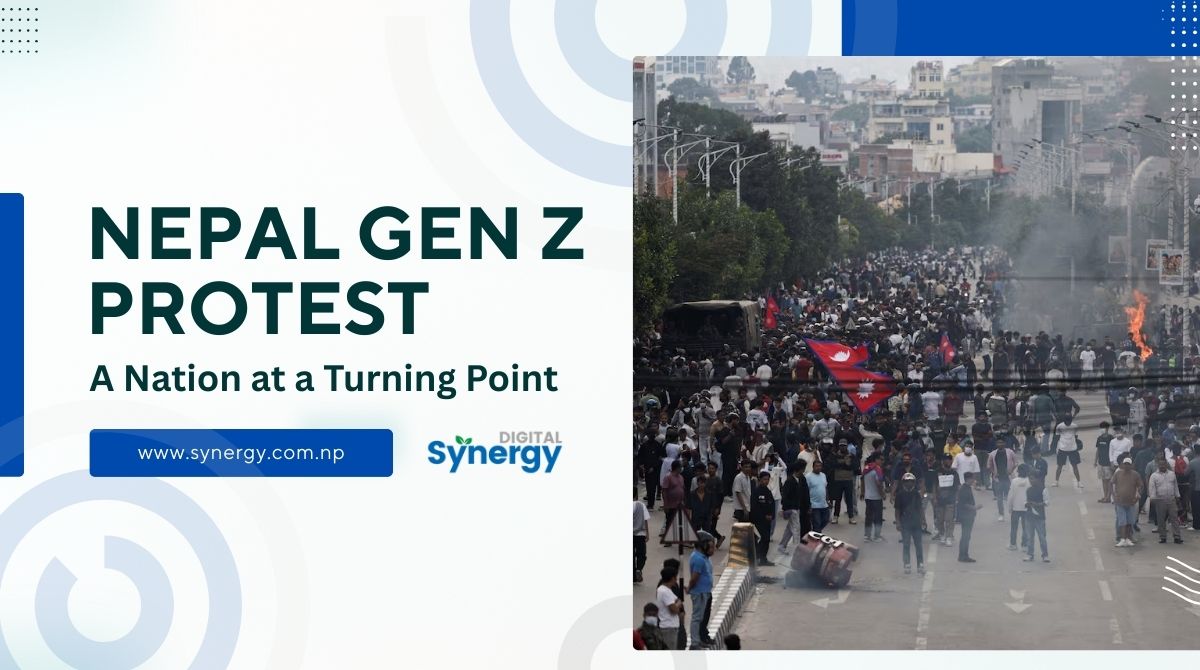
Nepal is going through a historic moment. In September 2025, a sudden government ban on nearly 26 social media platforms—including Facebook, Instagram, YouTube, WhatsApp, and X—triggered widespread anger among the country’s youth. For Gen Z, who rely on these platforms not only for communication but also for education, activism, and work, the ban felt like an attack on their rights. Within hours, protests erupted in Kathmandu and spread nationwide, marking the start of one of Nepal’s largest youth-led uprisings.
Table of Contents
The Spark: Social Media Ban and Its Backlash
The government claimed the ban was necessary to curb misinformation. But the youth saw it differently. For them, it was censorship and proof of a system out of touch with their lives. They organized quickly, using VPNs, alternative apps, and offline networks to mobilize protests. The ban became the symbol of a deeper frustration: corruption, unemployment, nepotism, and a lack of accountability from those in power.
Violence and Loss: The Human Cost of Protest
The protests escalated rapidly. Police used tear gas, water cannons, and eventually live ammunition. Demonstrators stormed restricted zones, burned barricades, and clashed with security forces. The result was tragic: at least 19 lives lost and more than 300 injured. Families grieved loved ones, hospitals filled with the wounded, and the entire nation watched in shock. Human rights groups, including Amnesty International, condemned the government’s excessive force and demanded an independent investigation.
Political Fallout: Leaders Forced to Resign
The youth movement didn’t just rattle the streets—it shook the highest levels of government. On September 9, 2025, Prime Minister K.P. Sharma Oli resigned, unable to withstand the mounting pressure. Home Minister Ramesh Lekhak also stepped down, accepting moral responsibility for the deadly crackdown. These resignations marked a dramatic political turning point, showing that the power of the people—especially the youth—cannot be ignored.
The Demands of Gen Z: Beyond Social Media
The protests may have started with the social media ban, but the demands go far deeper. Young Nepalis want:
- Transparency in government.
- Accountability for corruption and misuse of power.
- Fair economic opportunities and jobs.
- Protection of free speech and digital rights.
- Justice for those who lost their lives in the protests.
Youth leaders like Sudan Gurung have become the face of this movement, using both online platforms and street activism to rally support. They represent a generation that refuses to be silenced.
Government Response: Steps Taken So Far
In an effort to calm the unrest, the government lifted the social media ban. It also formed a 15-day inquiry panel to investigate the crackdown and promised compensation and medical support for victims’ families. While these are important steps, critics argue they are not enough. Political parties like the Rastriya Swatantra Party (RSP) are calling for early elections and systemic reforms to rebuild trust.
The Role of Human Rights and Global Attention
The National Human Rights Commission of Nepal labeled the use of lethal force as “regrettable” and urged the government to respect the right to peaceful protest. International organizations like Amnesty International have demanded justice and accountability. The world is watching, and Nepal’s leaders are under immense pressure to show they can address these crises responsibly.
What This Means for Nepal’s Future
Nepal is now standing at a crossroads. The youth have proven they can change the course of politics. The question is: will their demands lead to genuine reform, or will old systems reassert control once the streets quiet down? The protests are not just about today’s leaders—they are about shaping the future of an entire nation.
Lessons from the Gen Z Protest
- Silencing voices only makes them louder. The social media ban backfired, fueling more anger.
- Youth are not apathetic. Gen Z in Nepal showed they are willing to risk their lives for change.
- Leadership must listen. Ignoring young voices leads to instability.
- Reform is overdue. From jobs to justice, the demands reflect deep structural issues.
- A nation’s strength lies in its people. When united, even the most powerful governments can fall.
Conclusion: A Turning Point in Nepali Politics
The Gen Z protests have changed Nepal’s political landscape. The resignation of the Prime Minister and key ministers, the lifting of the social media ban, and the promise of inquiries mark the beginning of something bigger. Whether this becomes real reform or just another temporary pause depends on what happens next.
Nepal’s youth have spoken, and their message is clear: change is non-negotiable. If you stand with freedom, justice, and accountability, stay informed, raise your voice, and support movements that push for a fairer Nepal.

